


Reach A Hand Uganda has rolled out a new campaign to raise awareness about the importance of healthy sleep among adolescents, citing growing concern over poor sleeping habits and their link to mental health challenges among learners.
The Quality Sleep Campaign, which officially commenced on February 6, 2026, seeks to sensitise learners, parents, and educators through mass media and community engagement, encouraging a shift in perception so that sleep is recognised as a necessity rather than a luxury.
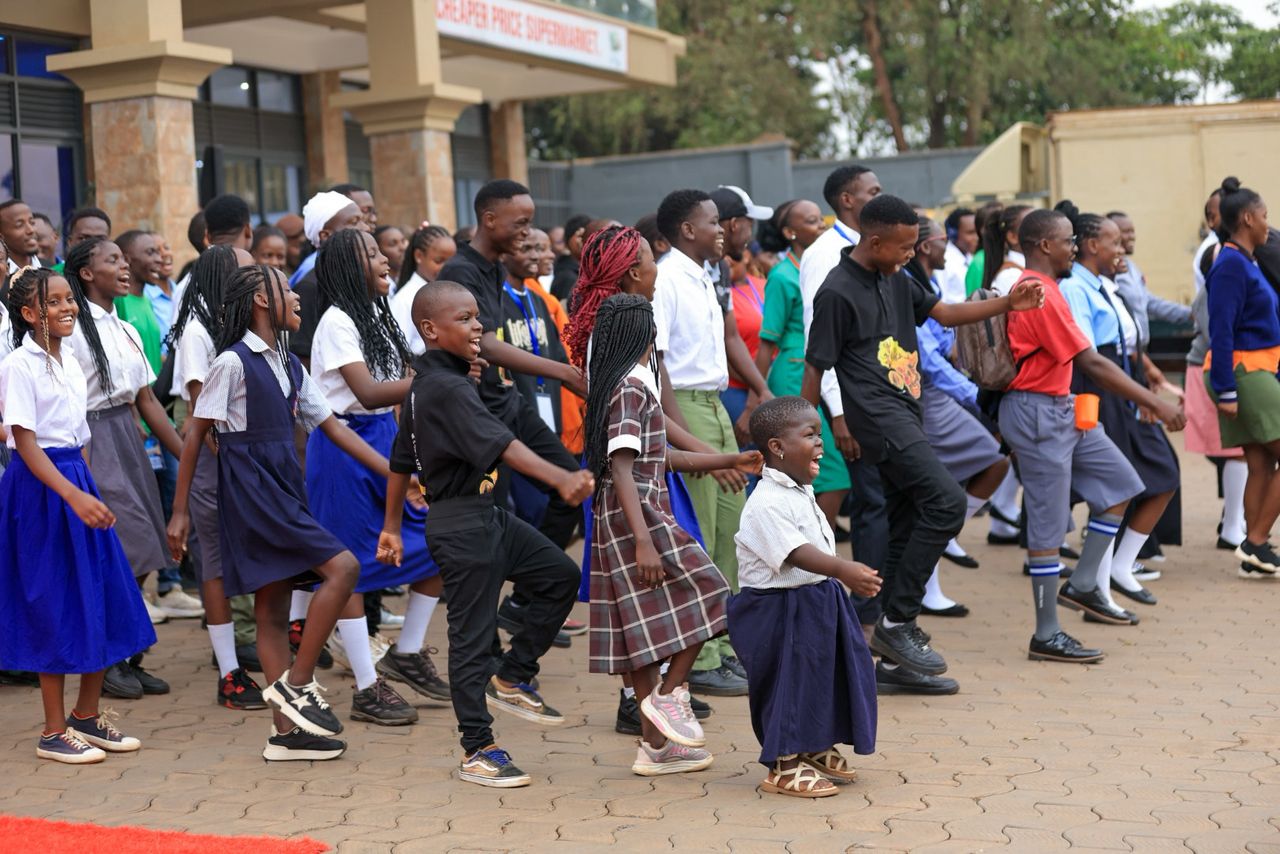
The campaign was launched with a march along Lungujja Avenue, a Kampala suburb, focusing on the importance of adequate sleep within school settings.
According to the organisation, the initiative is intended to address widespread attitudes that prioritise extended study hours at the expense of rest, as well as myths suggesting adolescents need less sleep than adults.
Reach A Hand Uganda says the campaign responds to mounting evidence linking insufficient sleep to depression, anxiety, reduced academic performance, and poor mental resilience among students.
Research shows that lack of adequate rest increases the risk of high blood pressure, heart disease, diabetes, and a range of mental health challenges.
Among adolescents, the effects are often immediately visible in classrooms through poor concentration, daytime sleepiness, and reduced alertness.

A long-term study conducted in Uganda by the Medical Research Council, the Uganda Virus Research Institute, and the London School of Hygiene and Tropical Medicine found that insufficient sleep is a major contributor to conditions such as heart disease and diabetes, with mental health and daily alertness emerging as the most pressing concerns for young people.
The study revealed that the median sleep duration among students was just 4.8 hours on schooldays, increasing to 6.5 hours on non-schooldays.
Only 12.8 per cent of learners reported getting the recommended 7 to 11 hours of sleep on schooldays, compared to 38.5 per cent on non-schooldays.
Boarding school students were found to be particularly affected, reporting higher levels of anxiety, sleep disruption, and fatigue compared to day students.
Interviews conducted during the study pointed to a widespread lack of awareness, with many students, parents, and school officials viewing sleep as unnecessary or assuming adolescents required less rest than adults.
Environmental and social factors were also identified as major contributors to sleep deprivation.
Heavy academic workloads, early wake-up times that in some cases begin as early as 3am, peer pressure, extracurricular activities, and late-night social interactions were cited as reducing rest for many learners.
Day students face additional challenges, including household responsibilities, noise, overcrowded living conditions, and unrestricted screen time.
Many learners reported dozing off during lessons or taking naps during school breaks to cope with fatigue.
Female students consistently reported poorer sleep satisfaction and alertness than their male peers, highlighting gender-specific pressures such as household chores and menstrual pain.
The study further noted that noise in school environments, excessive television and internet streaming, and overloaded lesson schedules all contribute to chronic sleep deprivation among learners.
To address the problem, the researchers recommend that students balance study with rest by setting fixed study times, avoiding late-night cramming, limiting screen use before bedtime, and treating sleep as an essential component of learning.
Maintaining regular sleep schedules, creating supportive environments, and using good-quality bedding were also cited as ways to prevent long-term health problems.
Reach A Hand Uganda says schools, families, and communities all have a role to play in addressing sleep deprivation, stressing that learners cannot achieve their full potential if they are consistently exhausted.
The organisation argues that promoting healthy sleep is integral to improving mental health outcomes and delivering quality education.
Reach A Hand Uganda is a youth-led non-profit organisation focused on empowering young people through advocacy, awareness campaigns, and community engagement on issues including sexual and reproductive health and rights, education, mental health, gender equality, and economic empowerment.
